
AT&T's copper shutdown is now in motion. If your business still uses an old AT&T landline, fax line, alarm line, gate line, elevator phone, or another analog line, this can affect you.
AT&T said in its 2025 annual report that it still had 2.1 million customer-location switched access lines in service at December 31, 2025. That is the clearest public number showing how much legacy voice service is still out there.
The first FCC-approved shutdown wave starts June 30, 2026. That is not the day all 2.1 million legacy lines turn off at once, but it is the clearest sign that the AT&T copper shutdown is moving from a long-term plan into real local deadlines.
The June 30, 2026 date is narrower. In one July 2025 Section 214 application, AT&T said it wanted to discontinue certain legacy voice services in parts of 17 states affecting approximately 21,000 customers. In a July 25, 2025 FCC public notice, the FCC said those areas had authorized discontinuance dates on or after June 30, 2026.
The honest takeaway is simple: June 30 is the start of one approved wave, not the day all 2.1 million legacy lines shut off at once. But AT&T also said on January 28, 2026 that it is working toward shutting down the large majority of its copper footprint by the end of 2029. If your important number still lives on one of these older lines, this is your warning to act before your area becomes urgent.
This article is not about AT&T wireless service. It is about older AT&T landline-style voice service, often called POTS, traditional local service, or local exchange access line service.
AT&T Copper Shutdown Timeline
If you compare different articles about the shutdown, the timeline is where people usually get lost. Here is the short version:
- July 25, 2025: the FCC published a notice on AT&T's Section 214 application to discontinue certain domestic legacy voice services, with authorized dates on or after June 30, 2026 in the affected areas.
- December 31, 2025: AT&T said in its annual report that 2.1 million customer-location switched access lines were still in service.
- March 5, 2026: the FCC circulated an order aimed at reducing barriers to network modernization, including easier grandfathering and discontinuance rules for legacy voice services.
- End of 2029: AT&T said it is working to exit the large majority of its copper footprint by that point.
That is why this topic feels more urgent now than it did a year ago. The old network is not disappearing in one nationwide flash-cut, but the regulatory and operational path toward retirement is getting clearer.
Who Is Affected by the AT&T Copper Shutdown
You should assume this might affect you if any of these sound familiar:
- your main business number still rings on an older AT&T landline
- that number is printed on your website, trucks, signs, Google Business Profile, or invoices
- you still have a fax line, alarm line, gate line, elevator line, or medical-monitor line on AT&T
- you inherited an office with an old AT&T line and nobody has fully audited what it does
- AT&T already sent you a migration, replacement, or retirement notice
You are less likely to be affected if:
- you only use AT&T wireless or cell service
- your location is already on a newer AT&T fiber-based voice product
- your important lines have already been moved off old copper service
If you are not sure what you have, treat that uncertainty as the warning sign.
Hidden AT&T Lines Businesses Forget About
The biggest mistake is assuming this is only about the phone on the front desk.
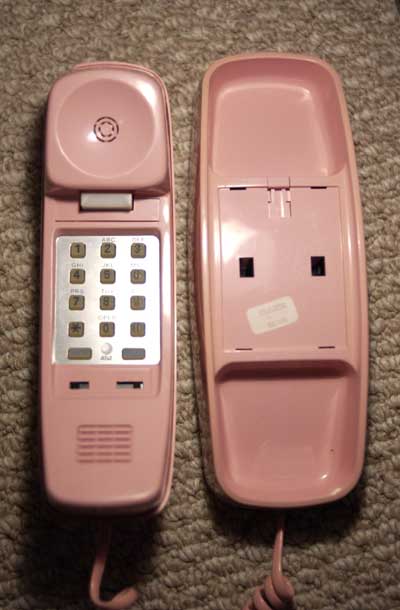
Old AT&T copper service can still sit behind business-critical systems such as:
- fire alarm panels
- elevator emergency phones
- gate and entry systems
- burglar or security alarms
- fax machines
- public-safety or after-hours emergency phones
- older analog lines nobody has fully documented
This is where many businesses get surprised. A company may say, "We do not use landlines anymore," and still discover one forgotten AT&T line that powers something operational, safety-related, or customer-facing.
If the line touches life safety, building access, or code compliance, do not treat it like a simple phone-number port. Those systems need their own technical review.
What Happens If You Do Nothing
This is the part most people want answered first.
If you have not received a notice yet, nothing special happens to all legacy lines on June 30 just because that date exists on the calendar. June 30 is tied to one approved wave in certain areas.
But if you have received an AT&T notice, the risk is real. AT&T's own small business copper-retirement FAQ says affected customers should make arrangements no later than the date in the notice so existing service is not disconnected. AT&T's notice language for business local exchange access line service also says that after the effective date, the old service is subject to disconnection.
In plain English, doing nothing can mean:
- your existing line gets disconnected after the notice deadline
- the number customers know is left sitting on a service you did not actively manage
- a fax machine, alarm panel, gate, elevator phone, or other analog device stops working the way you expected
- your replacement gets rushed instead of planned
That last point is the expensive one. Businesses usually do not panic because they love copper. They panic because the old line turned out to be more important than anyone remembered.
The Risk of Waiting Too Long
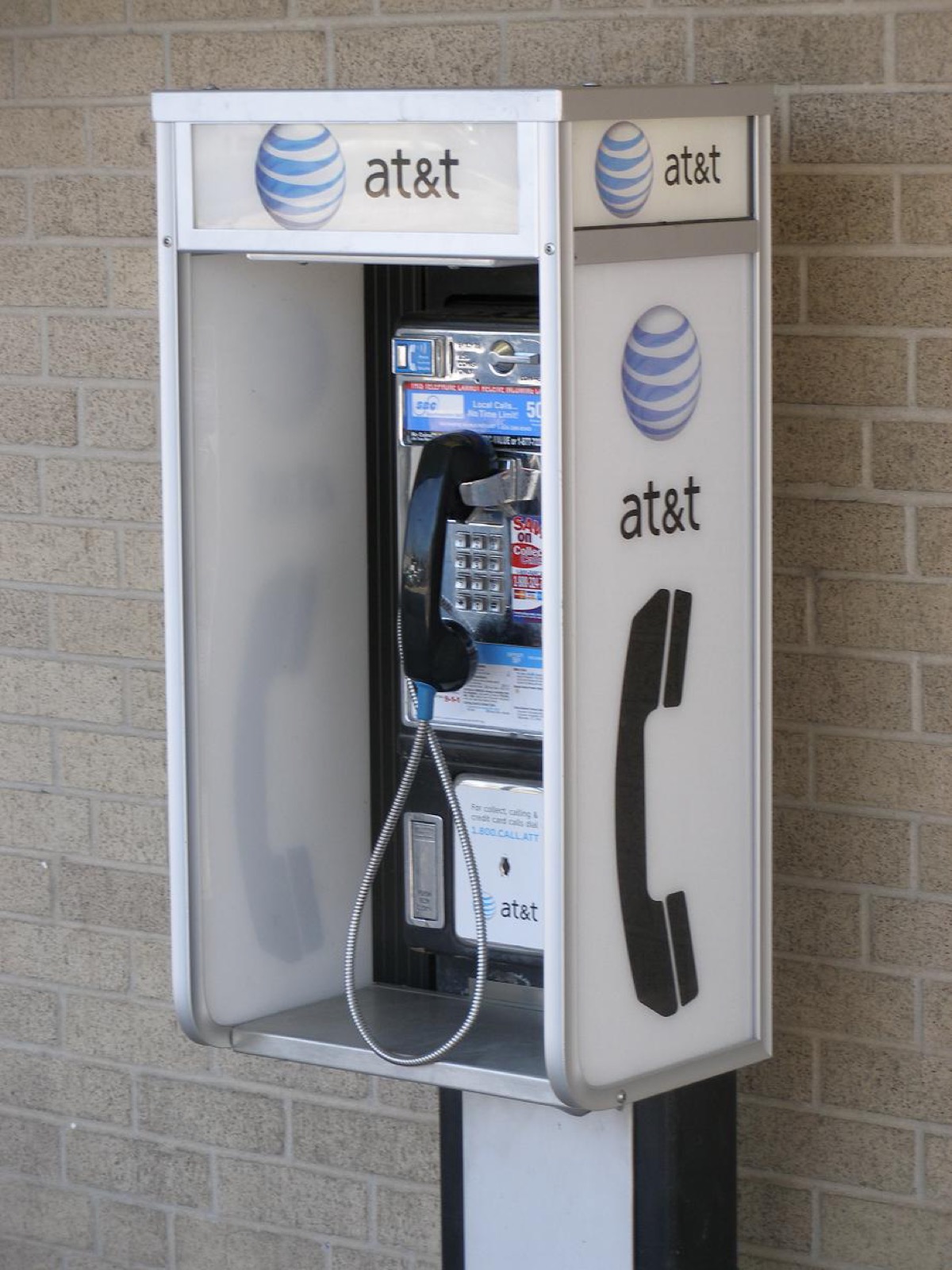
The practical risk is not just "AT&T changes something someday." The practical risk is running out of calm decision-making time.
Waiting too long usually creates problems like:
- a customer-facing number staying on an old service until the migration becomes rushed
- not leaving enough time to test routing, voicemail, and call flow before cutover
- discovering too late that a fax, alarm, gate, or elevator line was still active
- narrowing your replacement options because the project becomes urgent instead of planned
The reason this issue keeps catching businesses off guard is that copper retirement is an operations problem, not just a telecom headline. If the line supports a core business function, the real risk is disruption caused by poor preparation.
AT&T Replacement Options
AT&T's official position is not simply "good luck." It is trying to move customers onto newer replacements.
For home users, AT&T points customers to AT&T Phone - Advanced. For business users, AT&T has pointed customers to AT&T Phone for Business - Advanced and newer AT&T Business Voice.
That means you generally have three paths:
- Move to AT&T's replacement if that fits your setup.
- Port the customer-facing number to another provider, such as Phone2.
- Review special lines like alarms, elevators, gates, and medical-monitor devices separately before moving anything.
That third point matters. A customer-facing business number and a life-safety or utility line should not be treated as the same migration problem.
Power and Device Changes After Copper Replacement
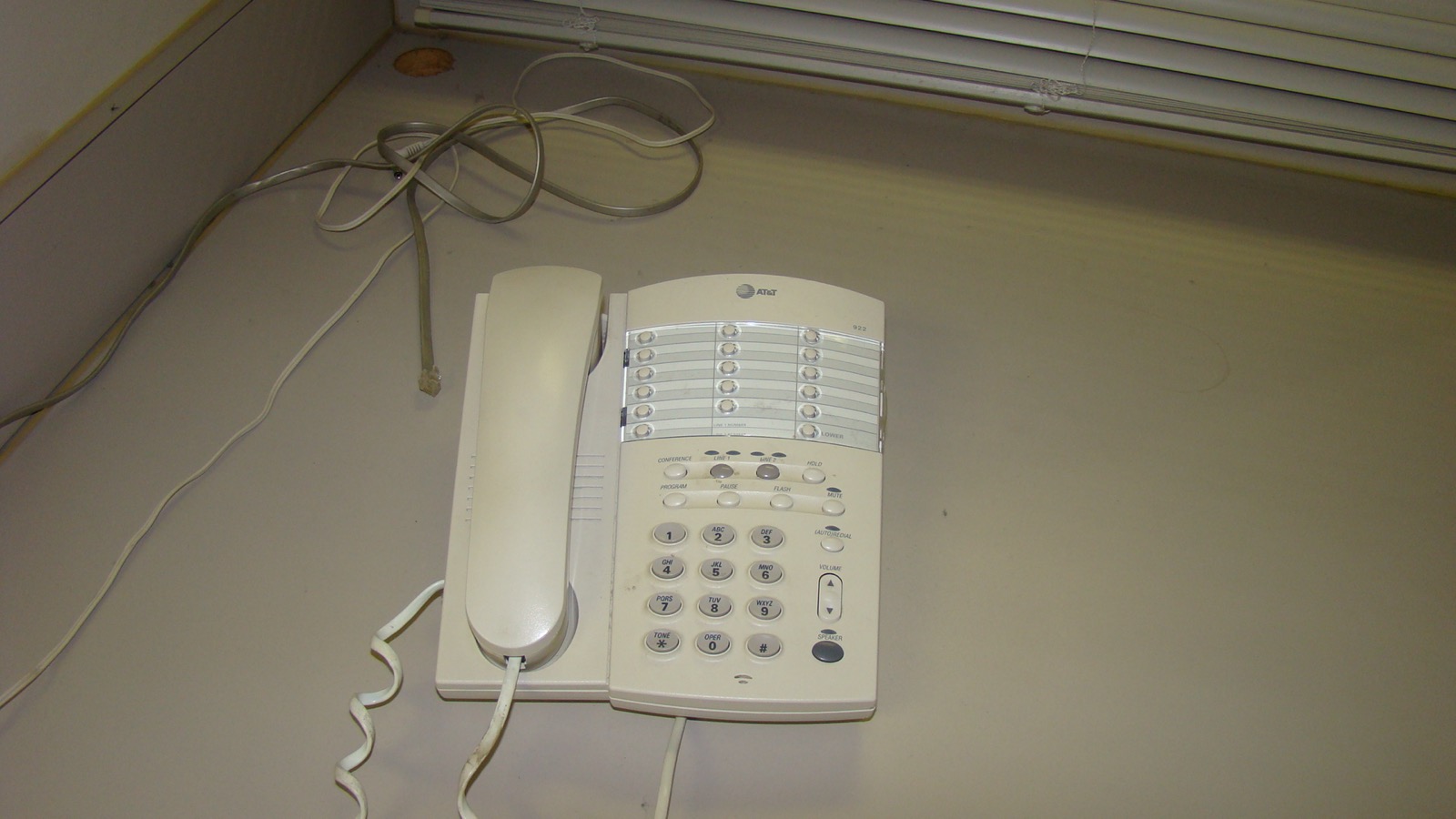
AT&T says copper carries power from the network, while fiber-based replacements do not. That means replacement equipment at your location may rely on local power and battery backup. If power goes out and the battery is depleted, the line may not behave the way the old copper line did.
AT&T also says devices such as fax machines, security alarms, and medical monitors may need their own backup power plan.
If the line touches building access, safety, after-hours emergencies, or compliance, do not assume "the new line will probably work the same."
What To Do Right Now
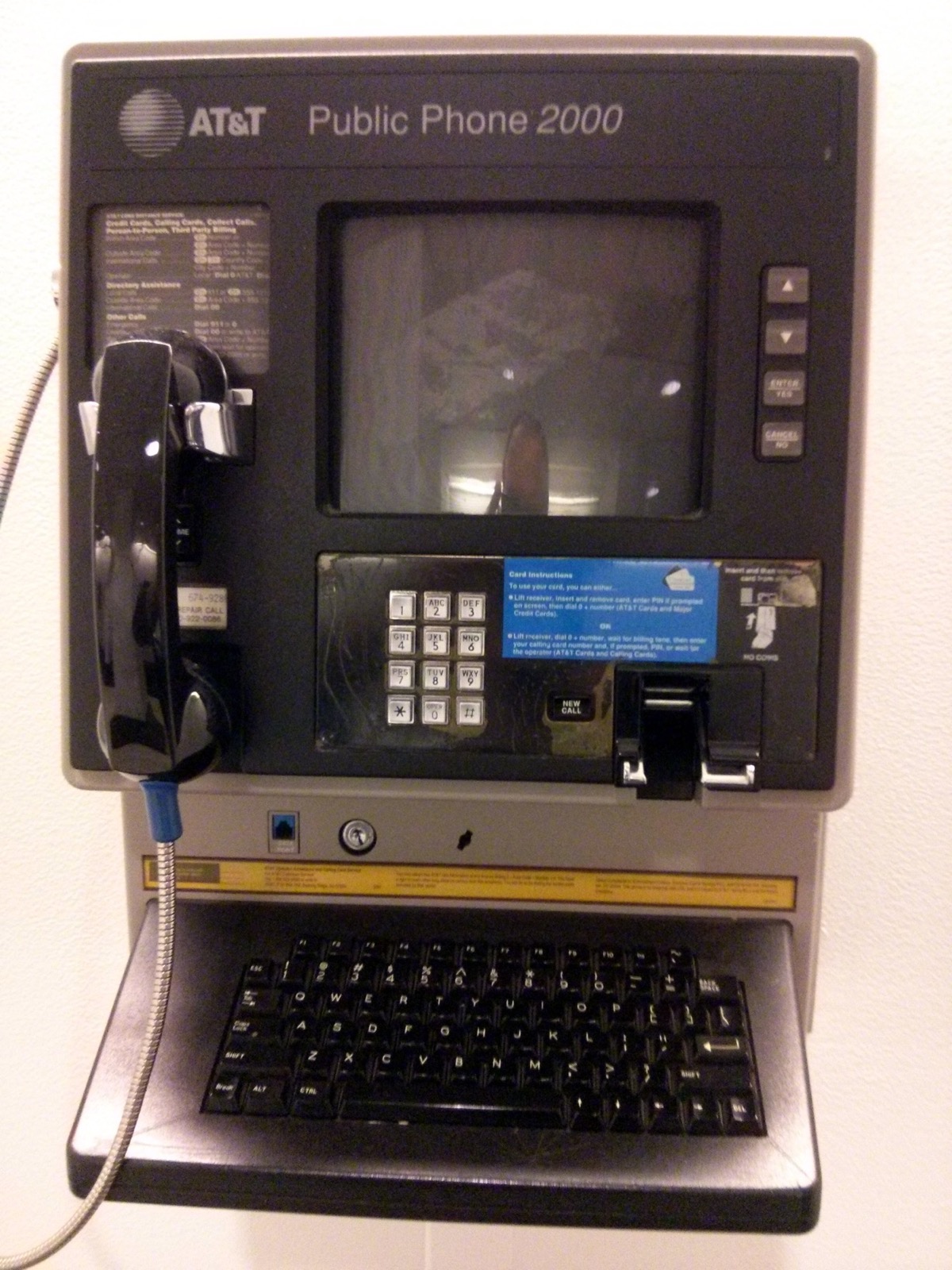
Start with a short audit, not a panic purchase.
- List every AT&T line you still pay for.
- Next to each line, write what it actually powers.
- Mark each line as one of these: customer-facing number, fax, alarm, gate, elevator, medical, or unknown.
- If AT&T already sent you a notice, work backward from the exact date in that notice.
- Decide which lines need a separate technical review and which customer-facing numbers simply need to be protected.
That one-page audit is usually the difference between a calm transition and a bad surprise.
When Phone2 Is the Better Option
Phone2 is the better option when the line you care about is the number customers already know.
If that number is on your website, your signs, your trucks, your Google listing, or your invoices, the safest move is usually to keep the number active and port it into a modern phone setup before the old AT&T line becomes a deadline problem.
That is different from an alarm line or elevator line. Those special-purpose lines may need a different migration plan. Phone2 is strongest for customer-facing business numbers that need to keep ringing, route to the right person, and stay easy to manage.
With Phone2, you can keep the familiar number and move it into a setup with:
- shared team numbers so multiple people can answer
- call routing so calls reach the right teammate
- voicemail transcription
- mobile and web access for your team
If you have more than one customer-facing line, you can submit them together as a batch.
Ready to move the number customers already know?
Start with any temporary Phone2 number now. Once your account is live, submit the port-in form and replace the temporary number with your AT&T number. If you have more than one customer-facing line, you can submit them together as a batch.
Port Your Number to Phone2Choose any temporary number during signup. Keep your AT&T line active, then fill out the port form inside your Phone2 account. You can submit multiple customer-facing numbers together.
How To Port Your AT&T Number to Phone2
If the number customers know is the one you need to save, the process is straightforward.
1. Sign Up And Choose Any Temporary Number
Start with Phone2 signup and choose any temporary number during signup. That temporary number gets your account live. You are not giving up your AT&T number. You are creating the account that will receive it.
2. Keep The AT&T Line Active
Do not cancel first. If the line is canceled too early, the port can fail and the number can become much harder to recover.
3. Gather The Exact Account Details
Have the following ready:
- AT&T account number
- billing address
- authorized contact name
- passcode or transfer PIN
- recent bill
Small mismatches are one of the biggest reasons ports slow down.
4. Submit The Port Request Inside Your Phone2 Account
After signup, open the port-in form inside your Phone2 account and upload the requested AT&T details while the line is still active. Some ports finish in a few business days, but older landline and more complex cases can take longer, so start early.
5. Test Right After Cutover
When the port completes, test:
- inbound calls
- outbound calls
- voicemail
- call routing
- SMS, if you use it
Then update any public listings if needed.
FAQ: AT&T Copper Shutdown and Number Porting
Is June 30, 2026 the date all AT&T copper lines shut off?
No. June 30, 2026 is the start of one approved shutdown wave, not a nationwide cutoff for every remaining AT&T legacy line.
Who is affected by the AT&T copper shutdown?
Businesses and households still using older AT&T landline-style service can be affected, especially if the line still powers a main business number, fax, alarm, gate, elevator, or medical-monitor device.
What happens if I do nothing after receiving an AT&T notice?
AT&T says affected customers should make arrangements by the deadline in the notice. If you do nothing, the legacy service can be disconnected after that date.
Can I keep my AT&T phone number?
Yes. If the number is important to your business, keep the AT&T line active, sign up for Phone2, choose a temporary number, and submit the port request before canceling anything.
How long does it take to port an AT&T number to Phone2?
Some ports finish in a few business days, but older landline and more complex cases can take longer. Start early and keep the existing AT&T line active until the port completes.
Bottom Line
AT&T is not turning off all 2.1 million legacy lines on June 30, 2026. But the copper shutdown is real, the first approved waves are already here, and more retirement steps are expected through 2029.
If your important number still sits on one of those old AT&T lines, waiting is how this turns into a rushed decision. Audit the line now. If it is a customer-facing number, keep it active and move it before the notice date becomes your problem.
If you are ready to keep the number your customers already know, sign up for Phone2 now, choose a temporary number, and submit the port request from inside your account.
Sources
- AT&T 2025 annual report
- FCC public notice on AT&T's July 2025 discontinuance application
- Granite / FCC notice referencing AT&T authority on or after June 30, 2026
- FCC March 5, 2026 network modernization order summary
- AT&T small business copper retirement FAQ
Notice
AT&T name and logo are trademarks of AT&T Intellectual Property. They are used here only to identify the current carrier discussed in this article. Phone2 is not affiliated with or endorsed by AT&T.

Written by Courtney Wilson
Product Analyst
Courtney writes practical guides that help small businesses protect their phone numbers and move to modern calling tools without confusion.